
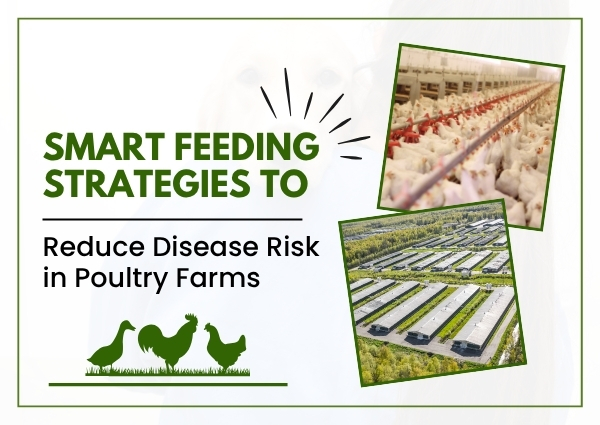
Poultry farming is one of the fastest-growing agricultural sectors, but disease outbreaks continue to be a major challenge for farm owners. Poor nutrition, contaminated feed, weak immunity, and improper feeding practices can quickly increase the risk of infections in poultry birds. Smart feeding strategies play a vital role in maintaining bird health, improving immunity, and reducing the chances of disease spread across farms.
Modern poultry farming is no longer just about feeding birds for growth. Today, feed management is directly connected to disease prevention, productivity, and overall farm profitability. By adopting intelligent feeding techniques, poultry farmers can improve flock performance while minimizing medical expenses and mortality rates.
Importance of Nutrition in Poultry Health
Nutrition is the foundation of a healthy poultry farm. Birds that receive balanced nutrition develop stronger immune systems, better gut health, and improved resistance against bacterial, viral, and parasitic infections.
Deficiencies in essential nutrients such as proteins, vitamins, minerals, and amino acids can weaken the bird’s immunity. This makes them more vulnerable to diseases like coccidiosis, Newcastle disease, avian influenza, and respiratory infections.
A scientifically balanced feed ensures:
- Better digestion and nutrient absorption
- Improved growth and weight gain
- Stronger immunity
- Reduced stress levels
- Lower mortality rates
- Better egg production in layers
Healthy birds naturally resist diseases more effectively, reducing the need for excessive antibiotic usage.
Use High-Quality and Contamination-Free Feed
One of the most important smart feeding strategies is ensuring feed quality. Contaminated or low-grade feed often becomes a major source of disease transmission in poultry farms.
Feed contamination may occur due to:
- Fungal growth and mycotoxins
- Bacterial contamination
- Moisture exposure
- Poor storage conditions
- Rodent or insect infestation
Mycotoxins are especially dangerous because they weaken the immune system and damage internal organs. Birds consuming contaminated feed often show poor growth, reduced appetite, and increased susceptibility to infections.
To maintain feed quality:
- Store feed in dry and ventilated area
- Use airtight containers or silos
- Avoid using expired feed
- Regularly inspect feed for mold or unusual odor
- Keep storage areas clean and pest-free
High-quality feed directly contributes to disease prevention and better flock performance
Strengthen Gut Health Through Smart Nutrition
Gut health plays a crucial role in poultry immunity. A healthy digestive system allows birds to absorb nutrients properly while preventing harmful bacteria from multiplying inside the intestine.
Modern poultry farms are increasingly using gut-health-focused feeding programs that include:
Probiotics
Probiotics are beneficial bacteria that improve intestinal balance and reduce harmful pathogens. They help strengthen the digestive system and improve immunity naturally.
Prebiotics
Prebiotics support the growth of healthy gut bacteria and improve digestion efficiency.
Organic Acids
Organic acids help maintain optimal pH levels in the digestive tract, reducing harmful bacterial growth.
OrganicEnzymes
Feed enzymes improve nutrient digestion and reduce undigested feed accumulation, which can otherwise promote bacterial growth.
Healthy gut function significantly lowers the risk of digestive diseases and improves overall bird health.
Ensure Proper Feeding Schedule and Quantity
Overfeeding or underfeeding can create health problems in poultry birds. Smart feeding management involves providing the right quantity of feed at the right time.
Irregular feeding schedules can cause:
- Stress in birds
- Aggressive behavior
- Uneven growth
- Weak immunity
- Digestive disorders
Farmers should follow age-specific feeding plans for chicks, growers, and adult birds. Nutritional requirements vary according to growth stage, breed, and production goals.
Automated feeding systems are becoming popular because they help maintain consistency and reduce feed wastage. Consistent feeding improves bird comfort and supports stronger immune function.
Ensure Proper Feeding Schedule and Quantity
Feed alone is not enough to protect poultry health. Clean drinking water is equally important because contaminated water can spread infections rapidly throughout the flock.
Birds consume water more frequently than feed, making water hygiene critical for disease prevention.
Smart water management practices include:
- Cleaning drinkers regularly
- Preventing algae formation
- Testing water quality periodically
- Using water sanitizers when required
- Ensuring continuous fresh water supply
Combining clean feed with hygienic water management creates a healthier farm environment.
Monitor Feed Consumption Regularly
Monitoring bird feeding behavior can help identify health issues early. Sudden changes in feed intake often indicate stress, infection, or environmental problems.
Farmers should regularly track:
- Daily feed consumption
- Weight gain
- Feed conversion ratio (FCR)
- Bird activity levels
If birds suddenly reduce feed intake, immediate investigation is necessary to prevent disease outbreaks.
Digital farm management systems and smart sensors are now helping poultry farmers monitor feeding patterns more accurately and efficiently
Biosecurity and Feed Management Go Together
Even the best feed cannot protect birds if farm biosecurity is poor. Smart feeding strategies should always work alongside strong hygiene and biosecurity practices.
Important biosecurity measures include:
- Restricting visitor access
- Disinfecting equipment regularly
- Controlling rodents and insects
- Isolating sick birds
- Cleaning feeding equipment daily
Feeders and storage areas must remain clean to avoid contamination risks.
Smart feeding strategies are essential for reducing disease risk in poultry farms. Balanced nutrition, clean feed, healthy gut management, proper feeding schedules, and hygienic water supply all contribute to stronger bird immunity and improved farm productivity.
Modern poultry farming requires a preventive approach rather than relying only on medications after disease outbreaks occur. By focusing on intelligent feed management and nutrition planning, poultry farmers can create healthier flocks, reduce mortality rates, and improve long-term profitability.
Investing in smart feeding practices is not just beneficial for bird health—it is also a sustainable step toward efficient and successful poultry farming.