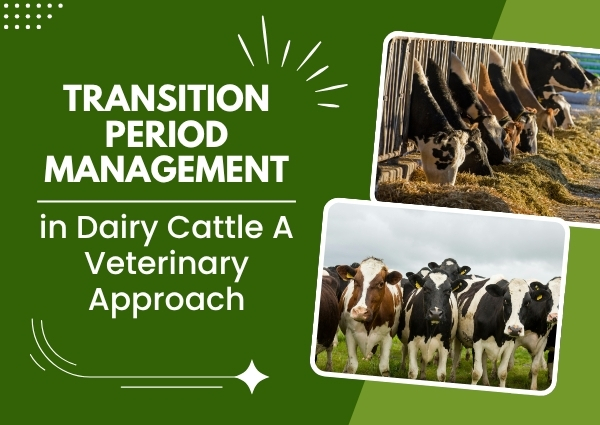
The transition period in dairy cattle is one of the most critical phases in a cow’s productive life. It typically spans three weeks before calving to three weeks after calving. During this time, dairy cows undergo significant physiological, metabolic, and hormonal changes as they prepare for parturition and the onset of lactation. Effective management of this period is essential to ensure optimal health, productivity, and reproductive performance. A veterinary approach to transition period management focuses on disease prevention, nutritional balance, and continuous monitoring to minimize health risks and maximize dairy farm profitability.
Understanding the Transition Period
The transition period is often referred to as the “high-risk period” because dairy cows experience increased nutritional demands while simultaneously facing reduced feed intake. This imbalance can lead to a negative energy balance, making cows more susceptible to metabolic and infectious diseases.
The primary goal during this phase is to support the cow’s adaptation to lactation while maintaining metabolic stability. Proper management can significantly reduce the incidence of health disorders and improve milk production in early lactation.
Common Health Challenges During the Transition Period
Several health problems are commonly observed during the transition phase. These include:
- Milk fever (hypocalcemia)
- Ketosis
- Fatty liver syndrome
- Retained placenta
- Metritis
- Mastitis
- Displaced abomasum
- Reduced fertility
These conditions not only affect animal welfare but also lead to production losses, increased treatment costs, and delayed reproductive performance. Veterinary supervision helps identify risk factors early and implement preventive measures before complications arise.
Nutritional Management: The Foundation of Success
Nutrition plays a central role in transition cow management. During the final weeks before calving, the diet should be carefully formulated to prepare cows for the increased energy demands of lactation.
Veterinarians and nutritionists often recommend transition diets that provide balanced levels of energy, protein, minerals, and vitamins. Particular attention should be given to calcium management to reduce the risk of milk fever. Feeding an appropriate dietary cation-anion difference (DCAD) diet before calving can help maintain calcium homeostasis.
High-quality forage, adequate fiber, and controlled concentrate feeding are also essential. Additionally, supplementation with trace minerals such as selenium, zinc, and copper supports immune function and reproductive health.
Veterinary Monitoring and Preventive Care
A proactive veterinary health program is vital during the transition period. Regular health assessments allow for the early detection of metabolic disorders and infectious diseases.
Monitoring parameters may include:
- Body condition score (BCS)
- Feed intake patterns
- Rumen activity
- Body temperature
- Milk yield after calving
- Blood metabolic profiles
Vaccination programs, parasite control measures, and proper biosecurity practices should also be maintained to minimize disease risks. Veterinary guidance ensures that preventive healthcare strategies are tailored to the specific needs of the herd.
Housing and Comfort Management
Cow comfort is often overlooked but has a significant impact on transition success. Overcrowding, poor ventilation, inadequate bedding, and excessive stress can negatively affect feed intake and immune function.
Providing clean, comfortable, and well-ventilated housing encourages cows to rest and consume sufficient feed. Easy access to fresh water and feeding areas further supports overall health and productivity during this demanding period.
Reducing environmental and social stress helps cows adapt more effectively to physiological changes associated with calving and early lactation.
Benefits of Effective Transition Management
A well-managed transition program delivers numerous benefits, including:
- Improved milk production
- Reduced incidence of metabolic diseases
- Better reproductive performance
- Enhanced immune function
- Lower veterinary treatment costs
- Increased longevity and profitability
Healthy transition cows are more likely to achieve their genetic production potential and contribute positively to overall herd performance.
The transition period represents a crucial window that determines the future productivity and health of dairy cattle. A veterinary approach that combines balanced nutrition, preventive healthcare, continuous monitoring, and proper housing management can significantly reduce health complications and improve farm profitability. By investing in effective transition period management, dairy farmers can ensure healthier cows, higher milk yields, and sustainable herd performance.
At Amino Pharma, we are dedicated to supporting dairy farmers with advanced animal health and nutritional solutions designed to promote successful transition management, enhance productivity, and improve overall herd well-being.