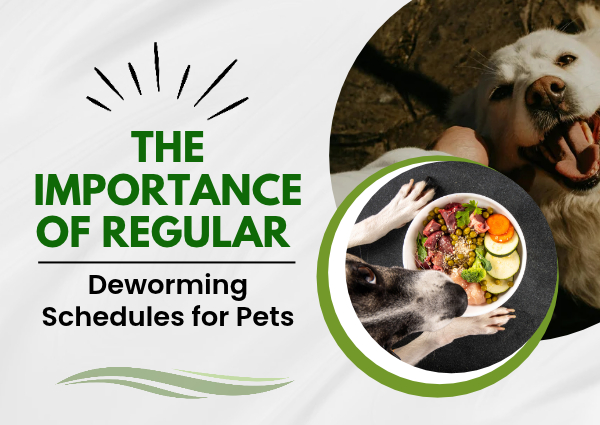
Healthy pets need more than nutritious food, exercise, and affection. Internal parasites can affect dogs and cats of different ages, sometimes without obvious warning signs. Regular deworming, guided by a veterinarian, helps manage intestinal worm infections and supports responsible pet care. It also reduces certain risks associated with parasites that can affect people.
For pet owners in India, understanding deworming schedules is especially useful because exposure varies with climate, outdoor activity, diet, and contact with other animals. Amino Pharma encourages informed veterinary healthcare decisions rather than routine medication without proper assessment.
Why Deworming Matters for Dogs and Cats
Intestinal worms can interfere with digestion, nutrient absorption, and general wellbeing. Depending on the parasite and infection severity, affected pets may develop diarrhea, vomiting, weight loss, poor coat condition, or abdominal discomfort.
Some infected animals appear healthy, making visible symptoms an unreliable measure of parasite exposure. Veterinary checkups and appropriate fecal testing can reveal concerns that might otherwise be missed.
Common Intestinal Parasites in Pets
Roundworms, hookworms, whipworms, and tapeworms are among the intestinal parasites veterinarians consider in dogs and cats. Their prevalence differs by animal species, location, age, and lifestyle.
Some infections are acquired from contaminated environments, while certain tapeworms are transmitted through fleas or infected prey. Because parasites differ, a single deworming product may not address every infection. Correct identification helps guide treatment.
Why Puppies and Kittens Need Special Attention
Young animals can be particularly vulnerable to intestinal parasites. Some worms may be transmitted before birth or through nursing, depending on the host and parasite involved. Heavy infections can contribute to poor growth, anemia, or serious illness.
Puppies and kittens often require more frequent parasite control than healthy adults, especially during early development. A veterinarian should establish a schedule based on age, body weight, health, and relevant veterinary guidelines.
Creating an Individual Deworming Schedule
There is no single schedule suitable for every pet. Veterinarians consider indoor or outdoor living, hunting behavior, flea exposure, travel, local parasite risks, and whether young children or vulnerable people share the household.
Some pets benefit from regular preventive treatment, while others may be managed using periodic fecal examinations and targeted medication. Owners should follow their veterinarian’s recommendation instead of copying another pet’s schedule.
Recognizing Possible Worm Infection
Warning signs can include loose stools, vomiting, bloating, weight loss, scooting, or visible worm segments near the tail or in feces. Hookworm infections may cause anemia, especially in young animals.
However, these signs can also occur with unrelated diseases. A veterinary examination is important before assuming worms are responsible. Severe weakness, bloody diarrhea, or persistent vomiting requires prompt professional attention.
Choosing Safe and Appropriate Deworming Products
Pet dewormers differ in active ingredients, parasite coverage, formulation, and species approval. Products intended for dogs are not automatically suitable for cats, and incorrect dosing can cause harm.
A veterinarian should recommend an appropriate medicine using the pet’s accurate weight and clinical history. Owners should verify packaging, expiry dates, labeling, and directions when purchasing veterinary products. Amino Pharma supports the importance of genuine healthcare products and responsible administration.
Keeping a simple calendar of treatment dates, product names, doses, and veterinary appointments can improve consistency over time. Records are especially helpful in households with several pets, where missed treatments or accidental repeat dosing may otherwise occur.
The Role of Hygiene and Flea Prevention
Medication alone cannot eliminate every source of reinfection. Prompt removal of pet feces, regular cleaning of bedding, and good handwashing practices help reduce exposure to infectious material.
Effective flea control is also important because fleas can transmit certain tapeworms. Preventing pets from hunting or eating raw animal tissues may reduce additional risks. Families should follow veterinary advice about environmental precautions.
Protecting Pets and Families
Certain animal parasites can infect humans, making parasite prevention a shared health concern. Children may be particularly exposed through contaminated soil or unwashed hands after outdoor play.
Regular veterinary visits, appropriate deworming, and sensible hygiene practices work together to reduce risk. Pet owners should seek medical advice for human health concerns rather than using veterinary medicines themselves.
Regular deworming schedules help protect pets from intestinal parasites, but effective prevention should reflect individual risks rather than an automatic approach. Veterinary diagnosis, suitable products, accurate dosing, flea control, hygiene, and follow-up testing all contribute to healthier animals.
With informed care and dependable veterinary healthcare solutions, Amino Pharma encourages pet owners to prioritize long-term wellbeing, recognize warning signs early, and work closely with veterinarians to establish suitable parasite prevention plans.