
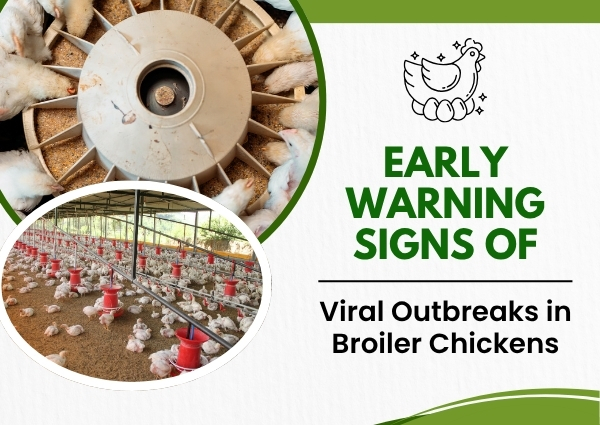
Broiler farming is one of the fastest-growing sectors in poultry production, but it also comes with constant health challenges. Among the most serious threats are viral outbreaks, which can spread rapidly across a flock and cause major economic losses through mortality, reduced growth, poor feed conversion, and lower meat quality. Early detection is the key to minimizing damage and protecting the health of the birds.
Recognizing the warning signs of viral infections in broiler chickens can help farmers take timely action, isolate affected birds, and consult veterinarians before the disease spreads across the farm.
Why Viral Outbreaks Are Dangerous in Broiler Farms
Viruses spread quickly in poultry houses because broilers are raised in high-density environments. Once infected, a single bird can expose hundreds of others through droppings, water systems, feed contamination, or airborne particles.
Common viral diseases affecting broiler chickens include:
- Newcastle Disease (ND)
- Infectious Bursal Disease (IBD/Gumboro)
- Avian Influenza
- Infectious Bronchitis (IB)
- Marek’s Disease
- Fowl Pox
Many of these diseases have no direct cure, which makes prevention and early identification extremely important.
Reduced Feed and Water Intake
One of the first signs of a viral outbreak is a sudden drop in feed and water consumption. Healthy broilers are active eaters, and any noticeable decline in appetite should be monitored carefully.
Birds infected with viral diseases often appear weak, uninterested in feed, and dehydrated. Farmers should keep track of daily feed and water records because even a small decline may indicate the beginning of a health issue.
Warning Indicators
- Feed trays remaining fuller than usual
- Reduced water line activity
- Uneven feed consumption among birds
- Sudden decrease in body weight gain
Respiratory Distress and Breathing Problems
Respiratory symptoms are common in viral infections such as Newcastle Disease and Infectious Bronchitis. Infected birds may struggle to breathe properly, especially during the early morning or late night hours.
Common Respiratory Signs:
- Sneezing
- Coughing
- Gasping
- Nasal discharge
- Swollen eyes
- Open-mouth breathing
Farmers may also hear unusual respiratory sounds inside the poultry shed. Wet litter due to nasal discharge and excessive moisture can further increase disease risk.
Sudden Increase in Mortality
A sudden rise in bird deaths is one of the clearest indicators of a viral outbreak. Some aggressive viruses spread rapidly and may kill birds within a short period.
If mortality increases beyond the normal farm rate, immediate investigation is necessary.
Situations That Require Urgent Attention:
- Birds dying without visible injury
- Multiple deaths within 24–48 hours
- Dead birds showing respiratory or nervous symptoms
- Mortality concentrated in a specific age group
Quick diagnosis and laboratory testing can help identify the exact disease and prevent further spread.
Weakness and Reduced Activity
Healthy broiler chickens are generally active and responsive. Viral infections often make birds weak, lethargic, and inactive.
Affected birds may:
- Sit continuously in corners
- Keep their eyes partially closed
- Avoid movement
- Separate themselves from the flock
Reduced activity levels can impact growth performance and overall flock productivity
Diarrhea and Abnormal Droppings
Changes in droppings are another important sign of viral diseases. Viral infections may affect digestion and immunity, leading to watery or discolored feces
Abnormal Droppings May Include:
- Green diarrhea
- White watery droppings
- Bloody feces
- Excessively loose litter
Monitoring litter condition daily helps farmers identify problems early.
Nervous System Symptoms
Certain viral diseases, especially Newcastle Disease and Marek’s Disease, affect the nervous system of chickens.
Signs of Nervous Disorders
- Twisted neck
- Paralysis
- Tremors
- Difficulty walking
- Loss of balance
- Wings drooping unevenly
These symptoms require immediate veterinary consultation because they often indicate severe infection.
.
Poor Growth and Uneven Flock Size
.Viral infections weaken the immune system and reduce nutrient absorption. As a result, birds fail to achieve proper weight gain.
Farmers may notice:
- Uneven flock growth
- Smaller birds among healthy ones
- Reduced feed conversion efficiency
- Delayed market readiness
Even if mortality remains low, poor growth can significantly reduce profitability.
Drop in Immunity and Secondary Infections
Viruses often weaken the immune system, making broilers more vulnerable to bacterial and fungal infections.
Signs of weakened immunity include:
- Repeated illness despite treatment
- Poor vaccine response
- Increased respiratory complications
- Skin infections or lesions
Maintaining proper vaccination schedules and biosecurity measures is critical for preventing secondary disease outbreaks.
Importance of Biosecurity Measures
Preventing viral outbreaks is always better than managing them after infection. Strong biosecurity practices help reduce the risk of disease entry and spread.
Essential Biosecurity Tips:
- Restrict visitor access to poultry sheds
- Disinfect footwear and equipment
- Maintain proper ventilation
- Clean water lines regularly
- Isolate sick birds immediately
- Follow vaccination programs strictly
- Control rodents and wild birds
Farm workers should also use protective clothing and wash hands before entering poultry areas
When to Contact a Veterinarian:
Farmers should never ignore unusual bird behavior or sudden health changes. Early veterinary intervention can save a large portion of the flock.
Seek professional help if you notice:
- Sudden mortality increase
- Severe respiratory symptoms
- Nervous signs
- Rapid spread of illness
- Poor vaccine response
Laboratory testing can confirm the disease and guide proper management strategies.
Early detection of viral outbreaks in broiler chickens is essential for protecting flock health and maintaining farm profitability. Symptoms such as reduced feed intake, respiratory distress, weakness, diarrhea, nervous signs, and sudden mortality should never be ignored.
Regular monitoring, proper hygiene, vaccination, and strict biosecurity practices are the most effective ways to reduce the risk of viral diseases in poultry farms. By acting quickly and staying alert to warning signs, poultry farmers can minimize losses and ensure healthier broiler production.