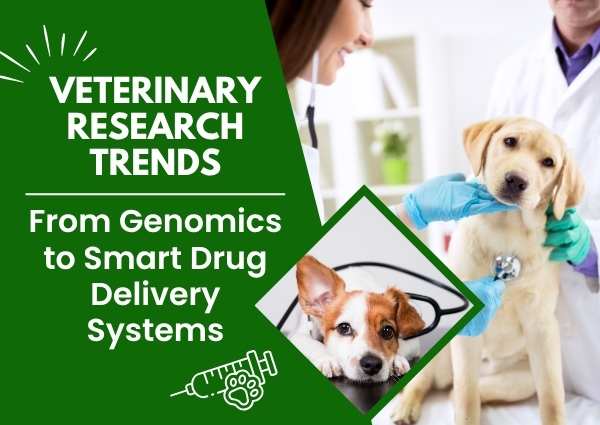
The veterinary healthcare industry is experiencing a remarkable transformation driven by scientific innovation and advanced research. From genomics and biotechnology to artificial intelligence and smart drug delivery systems, modern veterinary science is evolving faster than ever before. These developments are altering how veterinarians approach animal health, illness prevention, and production management in addition to enhancing disease treatment.
Veterinary research is growing more and more crucial as the world’s need for safer food production, healthier livestock, and better pet care grows. Companies like Amino Pharma are contributing to this evolving landscape by supporting innovative veterinary healthcare solutions that align with the future of animal medicine.
The Evolution of Veterinary Research
Veterinary research has progressed far beyond traditional disease treatment methods. Earlier veterinary practices mainly focused on treating infections and managing outbreaks after they occurred. Today, research is more preventive, data-driven, and precision-focused.
Scientists are now exploring advanced technologies that can predict diseases, improve immunity, and create highly targeted treatment solutions. This shift is helping veterinarians provide more effective care while reducing unnecessary medication usage and improving animal welfare.
Modern veterinary research combines biology, genetics, engineering, and digital technology to create smarter and more efficient healthcare systems for animals.
Genomics and Precision Veterinary Medicine
One of the biggest breakthroughs in veterinary science is genomics. Genomics involves studying the complete genetic makeup of animals to understand how genes influence health, disease resistance, growth, and treatment response.
Through genomic research, scientists can identify genetic traits linked to inherited diseases, immune system performance, and productivity levels in livestock. This information allows veterinarians and breeders to make more informed decisions about breeding programs and preventive healthcare strategies.
In companion animals, genomic testing is helping detect hereditary conditions early, enabling personalized treatment plans and better long-term health management.
Precision veterinary medicine, powered by genomics, is creating a future where treatments are customized according to the specific genetic profile of each animal or species.
Biotechnology and Advanced Vaccine Development
Biotechnology continues to revolutionize veterinary healthcare by enabling the development of safer and more effective vaccines. Traditional vaccines often relied on weakened pathogens, but modern biotechnology uses advanced molecular techniques to create targeted immunization solutions.
Recombinant vaccines, DNA vaccines, and mRNA-based technologies are now becoming important areas of veterinary research. These innovations improve vaccine safety, reduce side effects, and provide faster responses against emerging diseases.
Biotechnology also supports the development of diagnostic tools that can detect diseases quickly and accurately, helping veterinarians respond before outbreaks become severe.
Artificial Intelligence in Veterinary Diagnostics
Artificial intelligence is rapidly entering the veterinary field and changing how diseases are diagnosed and monitored. AI-powered systems can analyze medical images, laboratory reports, and health data with remarkable speed and accuracy.
These technologies help veterinarians detect diseases earlier, identify health patterns, and make more informed treatment decisions. AI also supports predictive healthcare by identifying animals at risk before visible symptoms appear.
For livestock farmers, AI-driven monitoring systems can track animal behavior, feed intake, and health conditions in real time, improving disease management and productivity.
Smart Drug Delivery Systems
One of the most exciting trends in veterinary research is the development of smart drug delivery systems. Traditional medicines often require repeated dosing, which can be stressful for animals and challenging for farmers or pet owners.
Smart drug delivery technologies are designed to improve how medicines are released and absorbed in the body. These systems allow drugs to be delivered more precisely, reducing side effects and improving treatment effectiveness.
Nanotechnology-based drug delivery systems, controlled-release formulations, and injectable implants are some of the innovations shaping the future of veterinary medicine. These advanced methods help maintain consistent therapeutic effects while minimizing unnecessary drug usage.
Reducing Antibiotic Dependency Through Research
Antimicrobial resistance has become a major concern in both human and veterinary healthcare. Veterinary researchers are actively exploring alternatives to excessive antibiotic usage through advanced therapies, probiotics, immune modulators, and targeted treatments.
Research into gut health, nutrition, and preventive medicine is helping reduce the need for antibiotics in livestock and poultry farming. This not only protects animal health but also supports safer food production systems.
Companies like Amino Pharma are increasingly focusing on innovative healthcare solutions that promote responsible medication practices and sustainable veterinary care.
Digital Monitoring and Wearable Technologies
Digital health monitoring is another growing area in veterinary research. Wearable devices and smart sensors can now track animal health indicators such as temperature, heart rate, movement, and feeding behavior.
These technologies provide real-time health data, allowing veterinarians and farmers to detect abnormalities quickly. Early intervention reduces disease severity and improves treatment outcomes.
In dairy farming, smart collars and monitoring systems help detect reproductive cycles and health issues, improving productivity and farm management efficiency.
The Role of Veterinary Manufacturers in Innovation
Veterinary medicine manufacturers play a crucial role in turning research into practical healthcare solutions. Companies invest heavily in research and development to create advanced medicines, vaccines, nutritional products, and healthcare technologies.
Companies like Amino Pharma support the future of veterinary medicine by focusing on innovation, quality, and modern scientific approaches. By embracing advanced research trends, manufacturers help veterinarians and farmers access safer and more effective healthcare tools.
Collaboration between researchers, pharmaceutical companies, and veterinarians is essential for accelerating innovation and improving animal health worldwide.
The Future of Veterinary Research
The future of veterinary medicine will be shaped by precision healthcare, digital technology, and advanced biological science. As research continues to evolve, treatments will become more targeted, preventive, and efficient.
Genomics, artificial intelligence, biotechnology, and smart drug delivery systems will continue transforming how animal diseases are diagnosed, prevented, and treated. These innovations will improve animal welfare, increase farm productivity, and strengthen food safety standards globally.
Veterinary healthcare is moving toward a future where science and technology work together to provide smarter and more sustainable solutions for animals.
Veterinary research is entering an exciting new era powered by genomics, biotechnology, artificial intelligence, and smart drug delivery systems. These advancements are improving disease prevention, enhancing treatment precision, and transforming the way veterinarians care for animals.
For companies like Amino Pharma, staying aligned with these emerging trends means contributing to a future where veterinary healthcare is safer, more innovative, and more effective than ever before.
As research continues to break new ground, the veterinary industry will become increasingly capable of meeting the growing healthcare demands of livestock, poultry, and companion animals around the world.